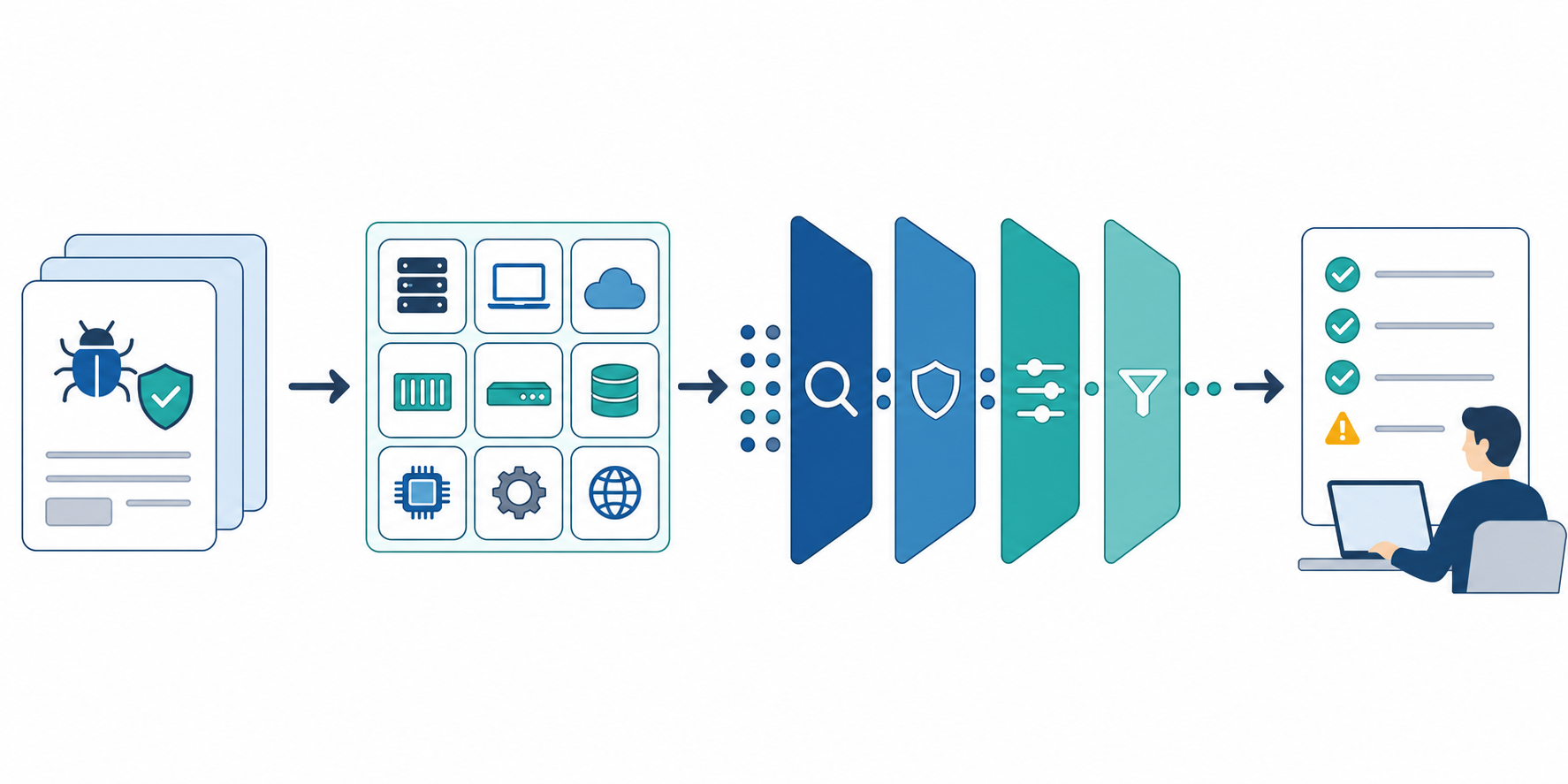
Small SaaS teams rarely need a large market intelligence program. They usually need a short weekly brief that keeps market movement, competitor changes, and customer signals from disappearing into chat.
This article gives you a one-page weekly intelligence brief template and a practical operating rhythm around it. The goal is not to collect more information. It is to help a small team decide what to review this week, what to keep watching, and who should follow up.
The short answer: keep one page, three signal lanes, and one owner
A useful weekly intelligence brief should fit on one page and answer four questions:
- what changed in the market, competitors, or customer behavior
- why the change may matter to our SaaS business
- what decision or discussion it should trigger this week
- who owns the follow-up before the next brief
If the brief cannot answer those questions, it is probably a source digest rather than market intelligence.
Why weekly briefs fail in small SaaS teams
The problem is usually not a lack of signals. It is that the team has no stable place to turn signals into operating context.
- competitor updates are shared as links without interpretation
- customer notes stay in sales or support channels
- market news gets saved but not connected to roadmap, messaging, or pricing decisions
- each week's summary uses a different structure
- the brief ends with "worth watching" instead of an owner
For small teams, the brief has to reduce interpretation work. It should make the next conversation easier, not create another document to read.
The one-page weekly intelligence brief template
Use this structure as the default. Keep the language plain enough that a founder, PM, marketer, or sales lead can scan it in a few minutes.
| Section | What to include | Limit |
|---|---|---|
| Executive readout | the 2-3 changes the team should understand first | 3 bullets |
| Market movement | industry news, regulation, funding, partnerships, category shifts | 3 items |
| Competitor movement | pricing, packaging, product launches, messaging, case studies | 3 items |
| Customer signals | objections, feature requests, lost-deal reasons, review themes | 3 items |
| Decisions this week | questions that need discussion in planning, sales, marketing, or product | 2-3 questions |
| Owners and follow-up | who checks the implication and by when | 1 line per decision |
| Watchlist | weak or early signals to revisit next week | 3 items |
The limits matter. A weekly brief that tries to preserve every useful observation quickly becomes an archive. The template should force selection.
Fill each signal with the same five fields
Inside the market, competitor, and customer lanes, do not write long paragraphs. Use the same five fields for every item.
| Field | What to write | Example |
|---|---|---|
| Signal | the observed change in one sentence | Two competitors added healthcare case studies this week |
| Evidence | source link, date, or customer note reference | release page and case-study page checked on Monday |
| Interpretation | what the change may mean | healthcare may be getting more active in this category |
| Internal impact | where it touches the team | landing page examples and sales proof points |
| Next action | what someone should check next | Marketing reviews whether a healthcare proof point is needed |
This makes the brief easier to compare week to week. It also keeps interpretation separate from evidence, which is useful when the team is working with incomplete public signals.
A filled example for a SaaS weekly brief
Here is a compact example of what the final brief might look like.
| Lane | Signal | Interpretation | Decision or action | Owner |
|---|---|---|---|---|
| Market movement | New procurement guidance mentions AI vendor review questions | buyers may ask for clearer security and data-use explanations | check whether the security page answers the likely first-pass questions | Ops |
| Competitor movement | Competitor A moved annual savings higher on its pricing page | the sales motion may be shifting toward prepaid annual plans | review comparison language for annual contracts | Growth |
| Customer signal | Three trial users asked how to get the first report faster | onboarding copy may need to make the first job path clearer | test a clearer first-report CTA in onboarding | Product |
This is enough for a weekly meeting. The source history can live in the research log, but the brief should carry the decision context.
E-E-A-T credibility checks for the brief
Market intelligence is useful only when readers can trust how the note was assembled. Before sharing the brief, run these checks.
- Experience: say where the signal came from. A customer call, support ticket, competitor page, and industry article should not be treated as the same kind of evidence.
- Expertise: connect the signal to a decision area. For example, pricing page changes belong with sales and packaging questions, not a generic "competitor activity" bucket.
- Authoritativeness: keep the original source close. Add the source URL, page name, date checked, or internal note reference.
- Trust: mark uncertainty. Use labels such as confirmed fact, likely implication, and needs another cycle when the evidence is thin.
This check is also a useful editorial guardrail for AI-assisted summaries. The brief should show what is known, what is inferred, and what still needs review.
How to run the weekly workflow
A small team can run this without adding a dedicated research role.
- Choose one owner for the brief, not one owner for all decisions.
- Collect signals during the week in a simple research log.
- On the same weekday, select only the items that may affect a near-term decision.
- Convert each item into the five-field signal format.
- Share the one-page brief before the weekly planning or GTM meeting.
- Move only the decision questions into the meeting agenda.
- Carry unresolved items into the watchlist, not back into the main brief.
If the team needs a broader operating model around this workflow, connect the brief to the monitoring, summary, sharing, and meeting handoffs already used by the team.
When Stratum Flow fits well
Stratum Flow is useful when the team wants the monitoring and first-draft summary to run on a schedule, while still keeping human review before the weekly brief is shared.
- you want recurring jobs to watch competitor pages, industry sources, and public web signals
- you want the output to follow the same fields every week
- you want source links preserved so the final brief can be checked quickly
- you want a small team to move from monitoring results to a weekly operating note
The most practical setup is to start with one theme, one weekly cadence, and one output format. Expand only after the brief is being read and used.
Common pitfalls
1. Turning the brief into a full report
The brief should not replace a research report. Keep the one-page version focused on what changed, why it matters, and what the team should decide.
2. Mixing customer signals with market signals without labels
Customer notes and public market signals are both useful, but they carry different evidence weight. Label the lane so readers know how to interpret the item.
3. Ending without an owner
A weekly brief without owners becomes a recap. Add an owner even when the next step is only "check again next week."
4. Hiding weak evidence
If the implication is only a hypothesis, say so. Trust improves when the brief is explicit about confidence.
Post-publish operating note
After this template is published, review it once a month against three questions:
- are readers using the template section, or only reading the explanation
- do related articles link to the shared slug
/en/blog/weekly-intel-brief-template - should the examples be refreshed because Stratum Flow's recurring job setup, output format, or notification workflow changed
Keep the article stable unless the operating model changes. If only the example signals change, update the example table and updated date without rewriting the whole article.
Summary
The weekly intelligence brief template should make a small SaaS team choose. One page, three signal lanes, five fields per item, and clear owners are enough to turn scattered market intelligence into a weekly decision habit.
Once the structure is fixed, the team can spend less time formatting updates and more time deciding what to do next.
Next step
Try Stratum Flow for free and create a recurring job that drafts your weekly intelligence brief