When teams use AI tools for market research or competitive analysis, the important question is not whether a tool has the most features. The real question is whether it fits the way your team actually works.
This guide compares the AI research tools worth watching in 2026 and explains how to choose based on your workflow.
The simplest comparison framework
You only need to check three things first:
- What do you want to monitor continuously?
- Do you need summaries and reports automatically?
- Do you need Japanese-friendly operations or workflow integration?
If a tool fits those three points, it is much more likely to succeed in daily use.
Why AI research tools matter
Traditional market research often required time for collection, comparison, summarization, and sharing. AI tools change that in several ways:
- Real-time insights: easier continuous monitoring
- Cost reduction: fewer manual steps
- Improved accuracy: easier to spot changes in large volumes of information
- Multilingual support: easier to work with global sources
AI Research Tools Comparison Table 2026
| Tool | Primary Use | Strengths | Pricing | Japanese Support |
|---|---|---|---|---|
| Crayon | Competitive intelligence | Automated alerts | High-end | English only |
| Brandwatch | Social listening | Strong SNS analysis | High-end | Partial support |
| Quantilope | Market research | Advanced analytics | High-end | English only |
| SEMrush | SEO and competitor analysis | Specialized in SEO | Mid to high | Japanese UI |
| SimilarWeb | Web traffic analysis | Free plan available | Free to high-end | English only |
| Stratum Flow | Recurring report generation | Auto summaries and multi-format export | Lightweight plans available | Full support |
Detailed overview
Crayon
A platform specialized in competitive intelligence. Good for teams that want to keep tracking pricing updates and feature launches.
Brandwatch
Strong for tracking audience reactions and brand sentiment on social media.
SEMrush
Useful for teams that care about SEO visibility and search-based competitor analysis.
Stratum Flow
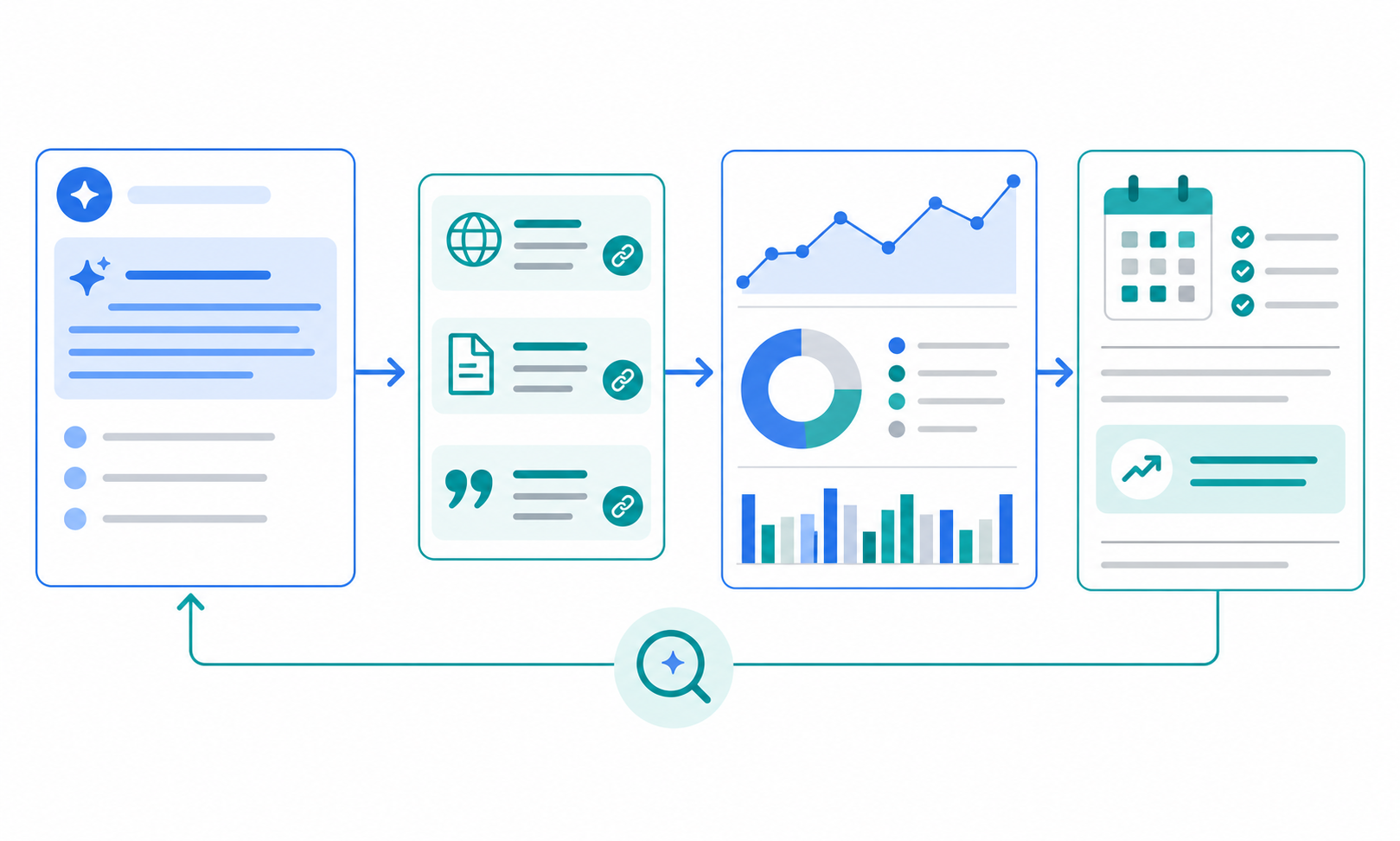
A good fit for recurring collection of public web information and AI summaries.
Main features:
- recurring monitoring of selected topics
- AI summary reports
- TXT / PDF / Word export
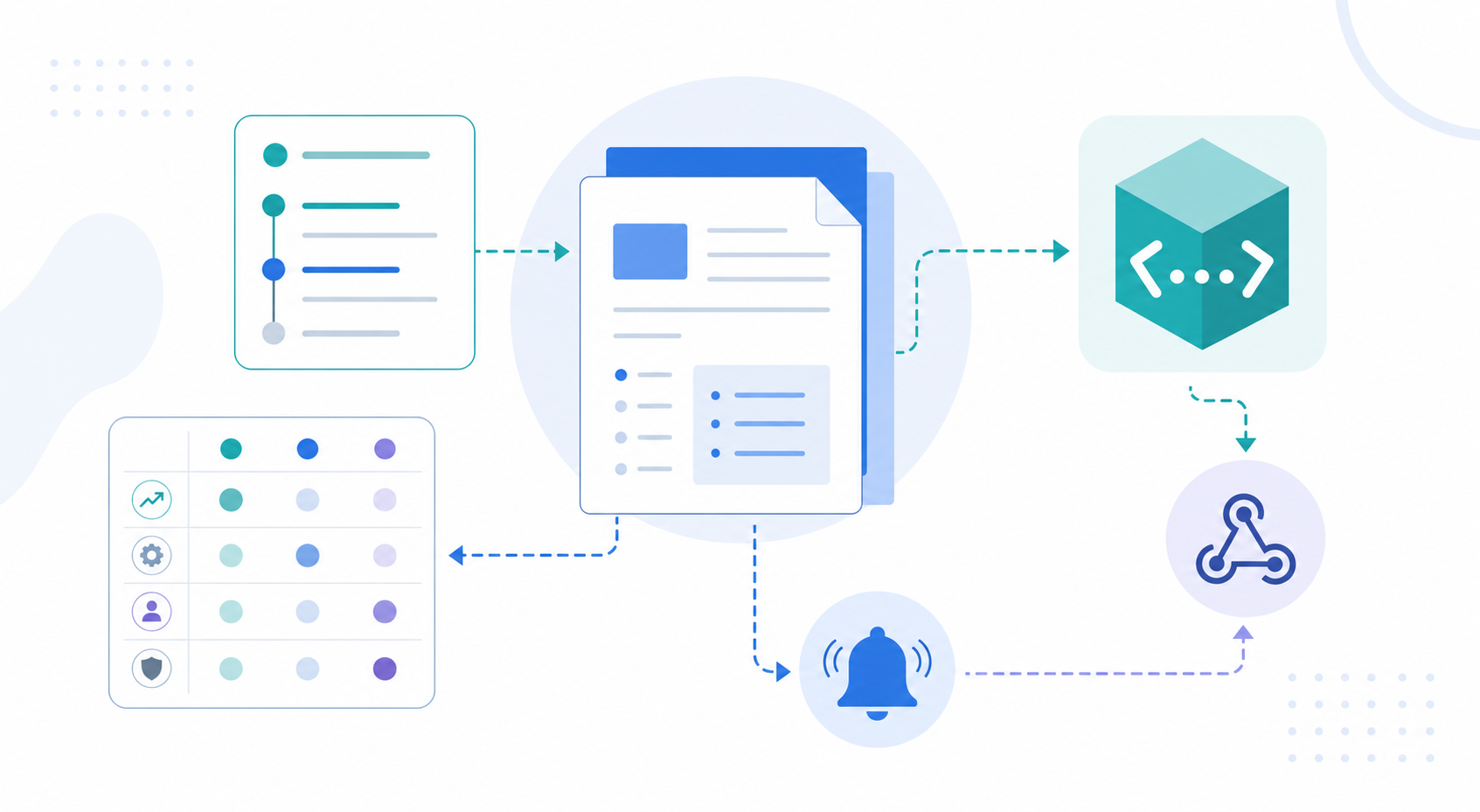
- Slack / Teams integration via webhook
Best for:
- Japanese companies
- teams that want recurring research operations
- organizations that want API and notification workflows
How to choose
1. Clarify the objective
| Goal | Recommended tools |
|---|---|
| Track competitor movement continuously | Crayon, Stratum Flow |
| Manage social sentiment | Brandwatch |
| Improve SEO / search visibility | SEMrush |
| Automate business reporting | Stratum Flow |
2. Consider budget and team size
Small teams:
- SimilarWeb (free) + Stratum Flow
Mid-size to large organizations:
- Crayon + Brandwatch
3. Check Japanese workflow fit
If your team works mainly in Japan, a Japanese-friendly tool can reduce operational overhead. A tool only works if it fits the team’s daily process.
Launch checklist
- Is the monitoring scope clear?
- Is there an owner for the recurring workflow?
- Is the sharing destination decided?
- Are Slack / Teams notifications needed?
- Do you need API or export options?
When Stratum Flow is worth considering
- you want to run competitive research every week
- you want to reduce report-writing work
- you want summaries you can share immediately
- you need Japanese-friendly operations
- you want notifications and APIs to fit existing workflows
Conclusion
AI research tools should be judged by how well they fit the workflow, not by feature count alone. Start small, validate the workflow, and expand only after it works in practice.
Next step
Sign up free and create your first job
Related articles
- How to Monitor AI Coding Tool Updates
- How to Monitor AI Search Visibility and Citations
- How to Improve High-Impression, Low-CTR Pages in Search Console
- How to Streamline Market Research Report Creation
- 5 Ways to Automate Competitive Research
- SaaS Competitor Tracking Template for Small Teams
- How to Run a Public Web Research Workflow
- How to Turn Help Pages Into Signup Paths With Internal Links and CTAs
- How to Write Effective Research Instructions
- API Reference